Evaluate taste, nutrition, and sustainability separately
The three targets have different label sources and failure meanings. Separate models preserve those differences before weighting them in the final ranking.
Machine learning · Recommendation
A Georgia Tech team recommendation project that explores taste, nutrition, sustainability, and visual similarity from the ingredients a user already has.
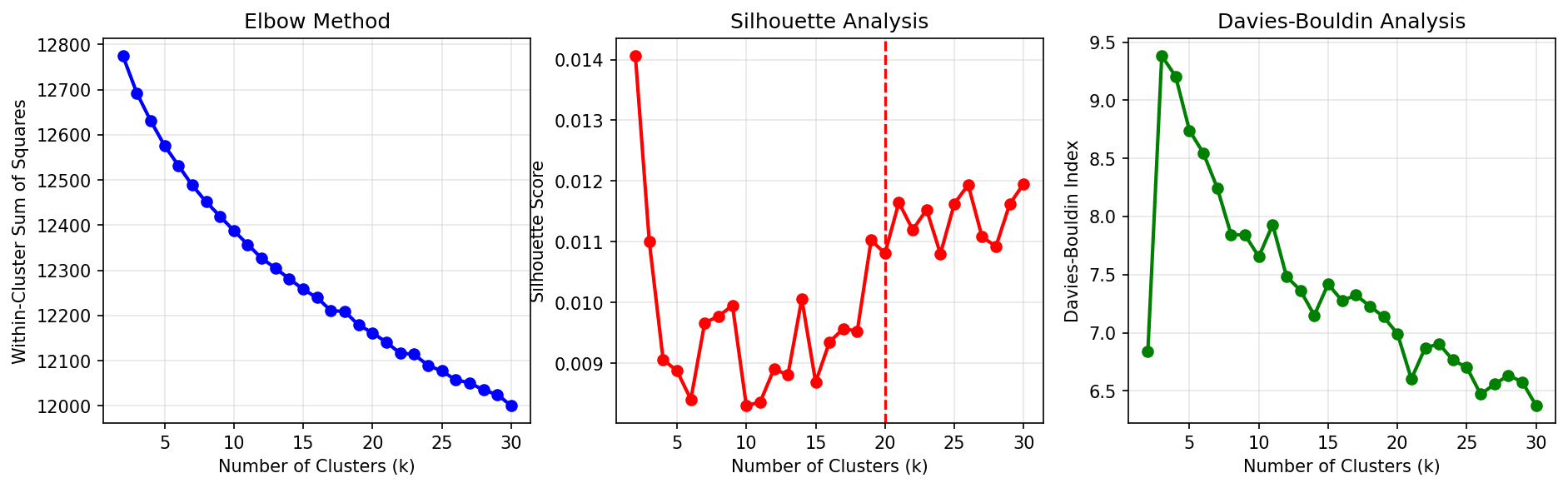
Recommending from available ingredients while accounting for taste, nutrition, sustainability, and visual similarity requires different datasets and evaluation criteria. The project compares TF-IDF/K-Means ranking, LightGBM models, and ResNet50 image embeddings, then examines how far offline evaluation can explain actual preference.
Ingredient text is normalized and pantry coverage narrows the candidate set before TF-IDF similarity and model scores produce a ranking. Separate LightGBM tasks learn Food.com ratings and Open Food Facts Nutri-Score and Eco-Score signals. ResNet50 embeddings retrieve visually similar recipe images.
The three targets have different label sources and failure meanings. Separate models preserve those differences before weighting them in the final ranking.
The initial score was implausibly high. plant_ratio and meat_ratio effectively exposed the vegan label, so both were removed before retraining on TF-IDF ingredient semantics.
After removing leakage features, vegan accuracy measured 92.5%. At a 0.8 threshold, precision was 91.2% but recall fell to 44.1%, which is why the label-generation process was investigated instead of accepting the original score.
The final LightGBM pipeline measured R² 0.923 on the nutrition hold-out and Spearman 0.836 on sustainability ranking. Taste classification reached 0.625 accuracy, nearly identical to the 0.622 majority baseline. The report preserves the difference between strong and weak targets.